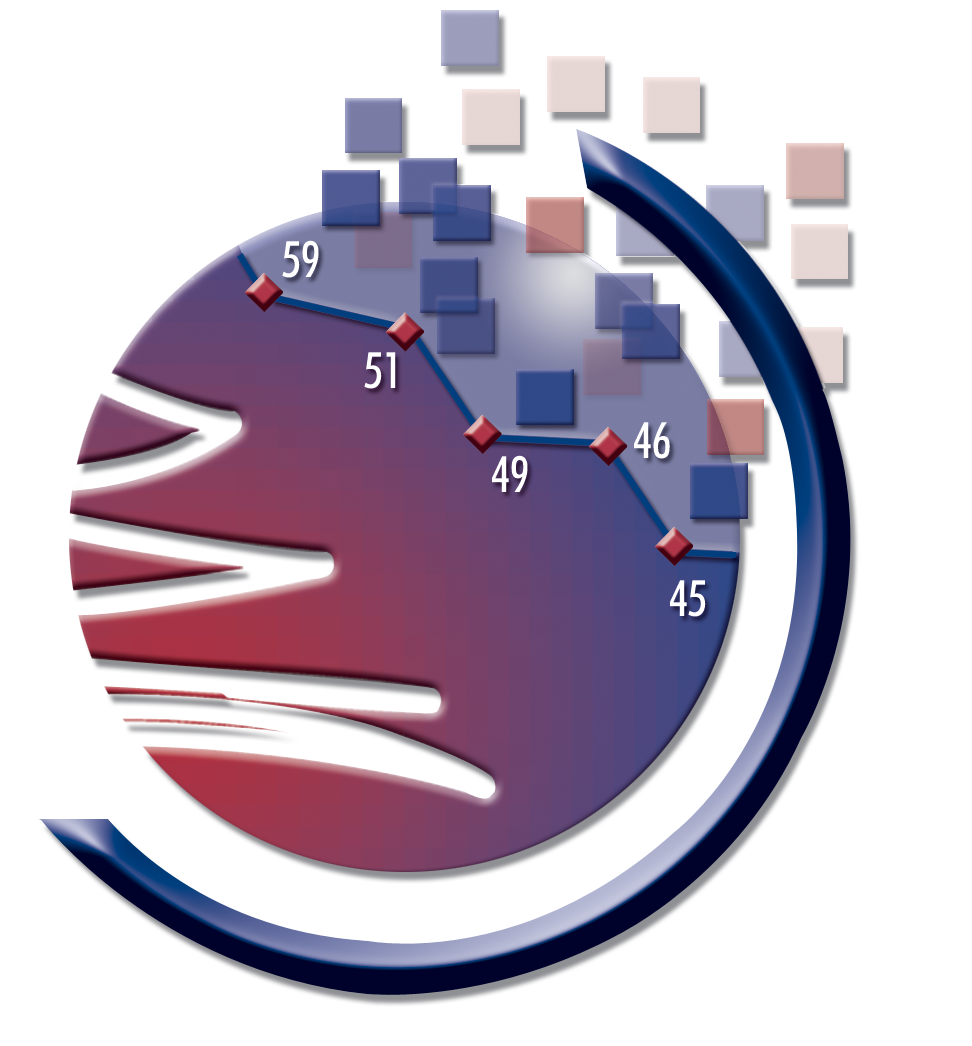

Poverty Highlights
of residents were multidimensionally poor, deprived in over 25% of the indicators.
of the population experienced deprivation in more than 50% of the indicators.
Health dimension was the largest contributor to deprivation, followed by financial security (26%) and education (25%).
Female-headed households show a higher incidence of multidimensional poverty than male-headed households.
Across the eight governorates, Akkar and Bekaa are the poorest.
Mount Lebanon hosts the largest share of MPI-poor.
Overview
CAS, in partnership with the World Bank, has developed Lebanon's first official Multidimensional Poverty Index using the nationally representative 2018–2019 Labour Force and Household Living Conditions Survey. The MPI measures non-monetary deprivations derived from 19 indicators across five dimensions: education, health, financial security, basic infrastructure, and living standards.
The index complements traditional income-based poverty measures, providing a broader understanding of the challenges facing households. Findings indicate that deprivation is widespread, with health, employment, and education as the main contributors to poverty. Young children and residents in specific governorates face the highest levels of vulnerability. The 2019 MPI serves as a baseline for future monitoring of multidimensional poverty in Lebanon. Data collection predates the economic crisis, the COVID-19 pandemic, and the Beirut Port explosion, which may have further affected household welfare.